
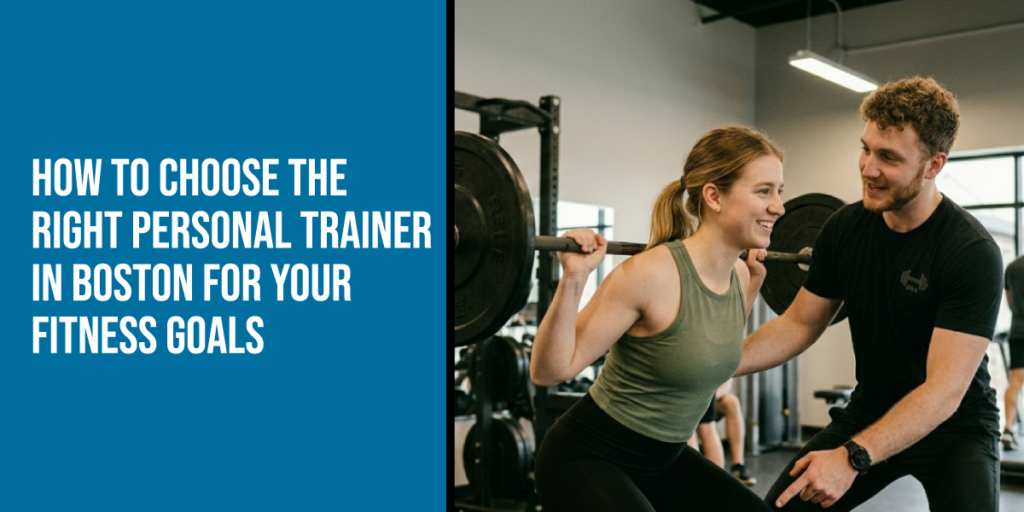
Navigating the fitness scene in a dynamic city like Boston can feel overwhelming. Whether you are aiming to build functional strength, prepare for a marathon, rehabilitate an injury, or achieve a sustainable body recomposition, hiring a personal trainer in Boston is one of the most effective investments you can make in your long-term health. However, with hundreds of trainers operating out of commercial gyms, boutique studios, and private facilities across Back Bay, Beacon Hill, and the South End, finding the coach who truly aligns with your body, lifestyle, and goals requires careful consideration.
At Back Bay Fit, a premier performance and private training facility located in Boston, Massachusetts, we know that successful personal training goes far beyond counting reps. The right personal trainer acts as a mentor, biomechanics specialist, and accountability partner. In this comprehensive guide, we break down how to evaluate credentials, understand Boston personal training costs, identify red flags, and select the best trainer near you.
What Is a Personal Trainer in Boston?
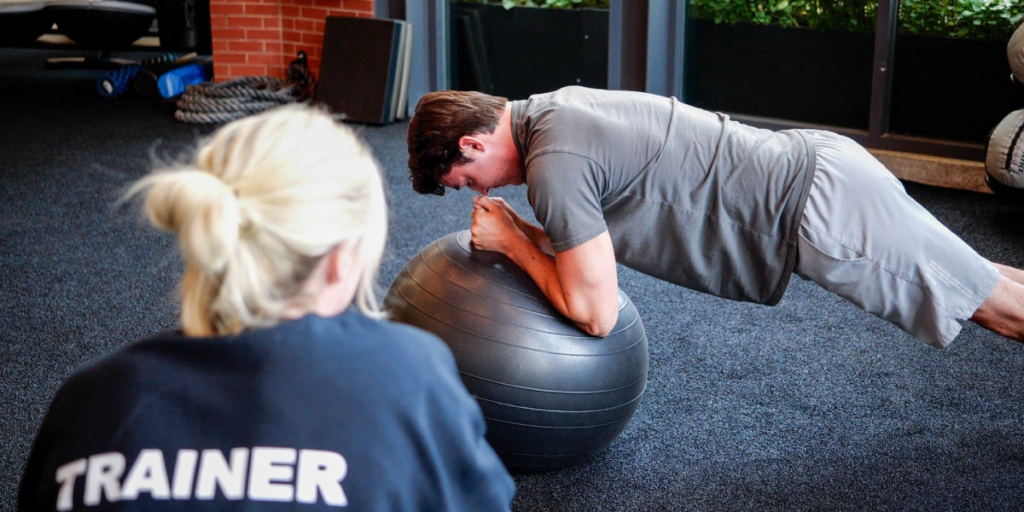
A personal trainer in Boston is a certified fitness professional who assesses movement mechanics, designs customized exercise programs, provides real-time form correction, and offers structured accountability to help clients safely reach their health and athletic targets.
In Boston’s diverse fitness ecosystem, personal training is offered across multiple formats:
- Private Performance & Luxury Studios: Exclusive facilities—such as Back Bay Fit—offering 1-on-1 private training with dedicated floor space, customized periodization, and high-touch coaching without public gym crowds.
- Commercial Gym Personal Training: 1-on-1 sessions inside large chain gyms, often conducted on busy public floors during peak hours.
- Semi-Private & Small Group Coaching: Shared training sessions (2 to 4 clients per trainer) balancing individual instruction with group camaraderie.
- Specialized Rehabilitation & Athletic Conditioning: Advanced coaching focused on sports performance, pre/post-natal fitness, or post-physical therapy recovery.
Why Choosing the Right Personal Trainer Matters

Investing in personal training is a commitment of time, energy, and financial resources. Working with an underqualified or incompatible trainer can lead to workout plateaus, wasted money, or acute lifting injuries.
Selecting the right coach matters because:
- Biomechanical Safety & Injury Prevention: A skilled trainer identifies muscular imbalances and joint limitations, correcting technical errors before heavy loads are applied.
- Goal-Specific Efficiency: Customized periodization cuts through trial and error, accelerating muscle growth, fat loss, or conditioning.
- Sustained Motivation & Accountability: Scheduled sessions with a dedicated trainer eliminate excuses and build long-term consistency.
- Bespoke Adaptation for Busy Lifestyles: Boston professionals manage demanding careers and schedules; an expert coach adapts workout volume based on your daily fatigue and stress levels.
Comparison Matrix: Boston Personal Training Formats
| Feature / Criteria | Private Performance Studio (e.g., Back Bay Fit) | Commercial Gym Personal Training | Small Group / Semi-Private Coaching |
|---|---|---|---|
| Coaching Ratio | Dedicated 1-on-1 | 1-on-1 (Public floor) | 1-to-2 up to 1-to-4 |
| Floor Environment | Quiet, private, uncrowded | Busy, loud, long equipment waits | Semi-private studio area |
| Program Customization | 100% bespoke periodization | Mixed (Standard templates vs custom) | Semi-custom / Tiered options |
| Form & Safety Focus | Continuous, undivided supervision | High (but subject to floor distractions) | Shared attention across clients |
| Average Cost per Session | $90 – $180+ | $75 – $140 | $45 – $80 |
| Best For | Maximum results, privacy, specialized goals | General fitness on lower budget | Budget-conscious social exercisers |
Key Benefits of Working with a Qualified Personal Trainer

Partnering with top personal trainers in Boston offers game-changing physical and psychological benefits:
1. Accelerated Body Recomposition & Strength Gains
Certified strength coaches utilize progressive overload principles, ensuring your body continuously adapts by building lean muscle and burning excess fat.
2. Tailored Form Correction & Technique Mastery
Proper alignment during compound exercises (like squats, deadlifts, and overhead presses) ensures targeted muscle recruitment while protecting your spine, knees, and shoulders.
3. Holistic Health & Lifestyle Guidance
Elite trainers look beyond the gym floor, offering actionable advice on daily hydration, sleep optimization, recovery strategies, and basic nutritional principles.
4. Overcoming Workout Plateaus
If your self-guided workouts have stalled, an expert coach alters variables such as tempo, volume, intensity, and exercise selection to spark new progress.
How Much Does a Personal Trainer Cost in Boston?
When evaluating personal trainer Boston rates, pricing reflects the coach’s experience, facility overhead, location, and level of customization.
Boston Personal Training Price Ranges
- Commercial Gym Sessions: $75 to $130 per hour (often requiring a separate monthly gym membership).
- Private Studio 1-on-1 Training: $90 to $180+ per hour (inclusive of private facility access, movement screenings, and custom programming).
- Semi-Private Training: $45 to $80 per person per hour.
Evaluating Value vs. Cost
While private personal training requires a higher investment, the return on investment includes faster results, reduced risk of injury-related medical bills, and one-on-one expert attention in a premium environment.
What Qualifications Should a Personal Trainer Have?
Not all personal training credentials are created equal. When searching for the best personal trainer Boston has to offer, look for these industry-standard qualifications:
Top Accredited Certifications
- NSCA-CSCS (Certified Strength and Conditioning Specialist): Considered the gold standard for strength training, periodization, and athletic performance.
- NASM-CPT (National Academy of Sports Medicine): Focuses heavily on corrective exercise, movement analysis, and functional training.
- ACSM-EP (American College of Sports Medicine): Emphasizes clinical exercise physiology, health management, and cardiovascular conditioning.
- ACE-CPT (American Council on Exercise): Focuses on foundational fitness programming and habit formation.
Secondary Specialized Credentials
Look for additional specializations such as FMS (Functional Movement Screen), USA Weightlifting (USAW), Pre/Post-Natal Certifications, or degrees in Kinesiology and Exercise Science.
Common Mistakes to Avoid When Hiring a Personal Trainer
| Common Mistake | Potential Consequence | Expert Fix |
|---|---|---|
| Choosing Based Only on Social Media Appearance | Impressive photos do not equal proper biomechanical knowledge or coaching ability. | Prioritize accredited certifications, client testimonials, and professional background. |
| Hiring Without a Movement Screening | Jumping into heavy lifting without assessing mobility increases injury risk. | Demand a comprehensive movement and joint assessment during your first session. |
| Ignoring Facility Environment | Crowded floors lead to long equipment waits and broken rest periods. | Tour the gym during your planned workout time to ensure a clean, focused atmosphere. |
| Focusing Only on Price Over Expertise | Cheap sessions with inexperienced trainers often result in plateaus or poor form. | Invest in qualified strength coaches who deliver safe, efficient, and lasting progress. |
Step-by-Step Process: How to Choose the Right Personal Trainer

Follow this step-by-step roadmap to find your ideal coach:
Step 1: Define Your Specific Fitness Goals
Clarify what success looks like. Are you aiming to lose 20 pounds of fat, squat pain-free, build muscle, or complete an endurance event? Your goal dictates the type of specialist you need.
Step 2: Research Local Trainers & Private Studios
Search for top-rated personal trainers near you in Boston. Explore private facilities like Back Bay Fit that offer personalized 1-on-1 environments.
Step 3: Verify Credentials & Client Success Stories
Check the trainer’s certifications, educational background, and verified client testimonials or case stories.
Step 4: Book an Initial Consultation & Assessment
Use the first meeting to observe how the trainer listens. A great coach will ask about your injury history, daily stress, sleep habits, and exercise preferences before designing a plan.
Step 5: Review Program Structure & Begin Your Journey
Ensure your trainer provides clear metrics for tracking strength gains, body composition changes, and movement improvements over time.
Expert Tips for Maximizing Your Personal Training Sessions
- Communicate Openly About Fatigue & Stress: Always inform your trainer if you are experiencing joint discomfort, poor sleep, or high work fatigue so they can adjust session intensity.
- Track Your Nutrition & Recovery: Exercise is only 20% of the equation. Pair your workouts with adequate protein, hydration, and 7 to 9 hours of sleep.
- Focus on Mind-Muscle Connection: Pay close attention to form corrections during sessions so you internalize proper movement patterns for life.
- Prioritize Consistency Over Perceived Intensity: Attending 3 well-structured sessions every week yields vastly better long-term results than sporadic, extreme workouts.
Frequently Asked Questions (FAQs)
How do I choose the right personal trainer in Boston?
To choose the right personal trainer in Boston, start by defining your goals, checking for accredited certifications (e.g., CSCS, NASM), evaluating their specialization, and touring their facility. Book an initial consultation to test their communication style and ensure they perform a thorough movement assessment before starting.
What should I look for in a personal trainer?
Look for accredited certifications, relevant experience with your specific goal, strong communication skills, active listening, and a dedication to safety. A great trainer provides customized programming rather than cookie-cutter workouts and continuously monitors your technique.
How much does a personal trainer cost in Boston?
Personal training in Boston typically costs between $75 and $180+ per session. Rates vary based on the trainer’s qualifications, session length, and whether sessions take place in a crowded commercial gym or an exclusive private performance studio like Back Bay Fit.
What qualifications should a personal trainer have?
At minimum, a personal trainer should hold a certification from an NCCA-accredited organization such as NSCA (CSCS), NASM, ACSM, or ACE, along with current CPR/AED certification. Advanced coaches often hold degrees in Exercise Science or Kinesiology and specialized certifications in corrective exercise or strength conditioning.
How can a personal trainer help me reach my fitness goals?
A personal trainer helps you reach your goals by designing a scientific workout program, ensuring proper exercise execution, holding you accountable, preventing injuries, and adjusting variables as your body adapts. Their expertise removes guesswork and accelerates your results.
Conclusion & Actionable Next Steps
Choosing the right personal trainer in Boston is a transformational decision for your body, mind, and long-term vitality. By prioritizing accredited qualifications, goal-specific expertise, transparent pricing, and a private, focused studio environment, you position yourself for sustainable fitness success. At Back Bay Fit, we believe every individual deserves world-class coaching in a private, supportive atmosphere built around their unique needs. Ready to take your strength, mobility, and confidence to the next level? Visit Back Bay Fit in Boston, Massachusetts, to meet our expert strength coaches, undergo a comprehensive movement assessment, and receive a customized training program tailored specifically for you. Schedule your intro consultation at Back Bay Fit today!
