
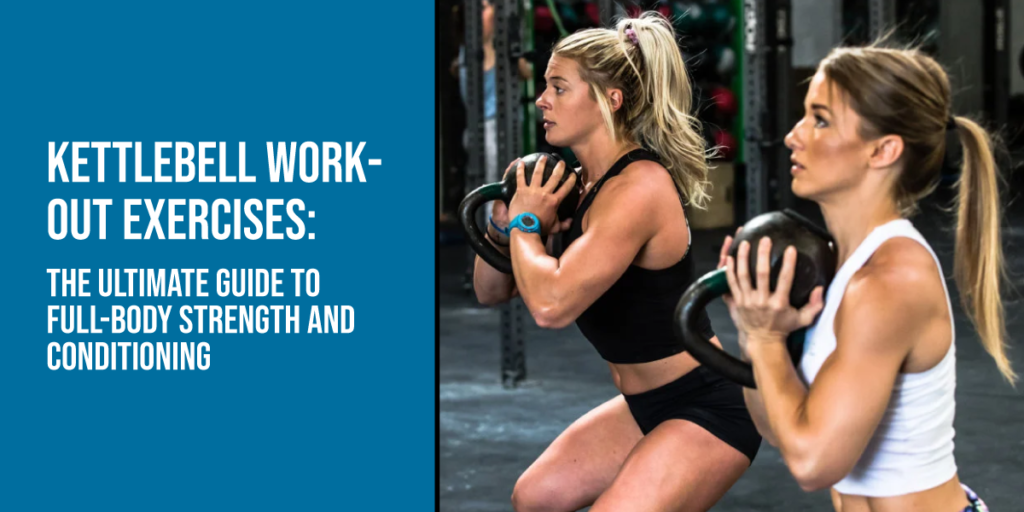
Finding a workout routine that delivers real physical strength, cardiovascular endurance, and movement longevity without forcing you to spend hours in the gym can feel like an uphill battle. High-intensity interval crazes often lead to burnout, while traditional weightlifting routines sometimes lack functional movement. That is where dynamic kettlebell workout exercises provide an ideal solution.
At Back Bay Fit, a premier personal training and wellness studio located in Boston’s Back Bay neighborhood, our philosophy centers on sustainable lifestyle changes rather than short-lived bursts of extreme exertion. Kettlebells align perfectly with this vision. In this trainer-approved guide, we explore how kettlebell exercises for beginners and experienced lifters alike can build resilient, functional fitness from head to toe.
What are Kettlebell Workout Exercises?
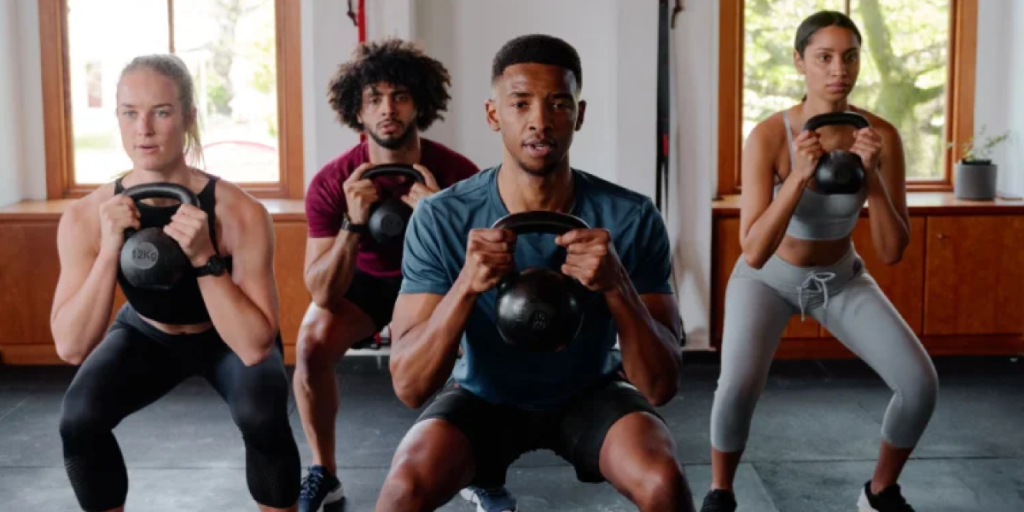
Kettlebell workout exercises are dynamic free-weight movements performed using a cast-iron or steel weight shaped like a cannonball with a flat base and a rounded top handle. Unlike traditional dumbbells or barbells, where the mass is evenly distributed around the grip, a kettlebell’s center of mass extends past the handle.
This offset center of gravity creates a unique mechanical lever. As you perform kettlebell exercises, your body must constantly recruit stabilizer muscles, engage the core, and exert active balance throughout every dynamic arc and press.
Why Kettlebell Exercises Matter
Modern life heavily favors passive, linear positions—sitting at desks, hunching over screens, and moving in rigid single-plane pathways. Kettlebell training breaks these restrictive patterns by challenging your muscles across multiple planes of movement simultaneously.
Key advantages of kettlebell movement patterns include:
- Functional Posterior Chain Engagement: Swings, hinges, and cleans heavily target the glutes, hamstrings, and spinal erectors, helping counteract “desk posture.”
- Dual Cardio and Strength Benefits: Kettlebell movements combine dynamic power with continuous tension, raising your heart rate while building functional muscle.
- Improved Grip and Core Stability: The offset load demands continuous core bracing and hand-grip activation throughout every rep.
- Space and Time Efficiency: A single kettlebell allows for a full body kettlebell workout anywhere, making consistency far easier to maintain.
Key Kettlebell Movements vs. Traditional Dumbbell Exercises
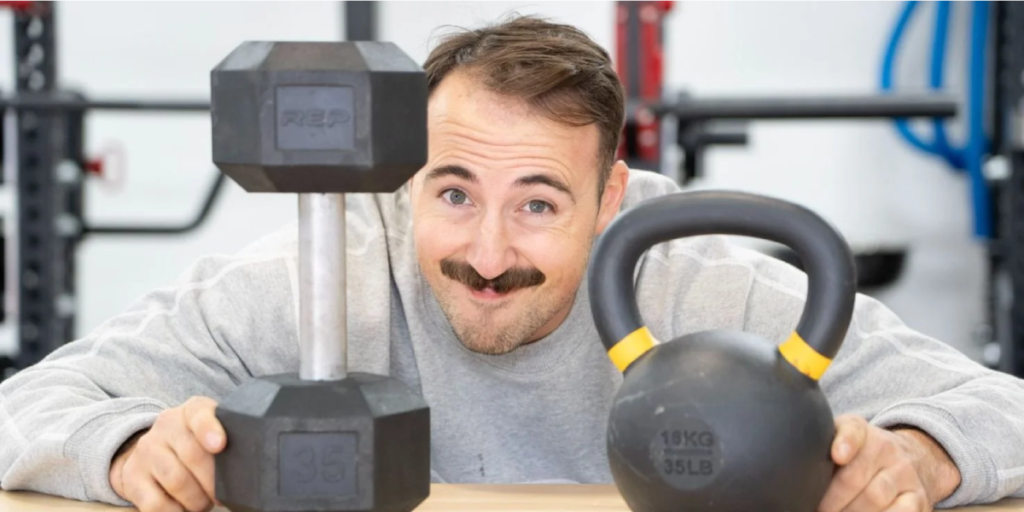
Understanding how kettlebells compare to conventional free weights helps clarify their unique role in your fitness program:
| Exercise Category | Kettlebell Exercises | Traditional Dumbbell Exercises | Primary Fitness Outcome |
|---|---|---|---|
| Hinge / Swings | Kettlebell Swing, Clean, Snatch | Dumbbell Deadlift, Romanian Deadlift | Explosive power, glute/hamstring endurance, cardio output |
| Squatting | Goblet Squat, Dual Kettlebell Front Squat | Dumbbell Goblet Squat, Front Squat | Core bracing, quad strength, upright posture habituation |
| Overhead Pressing | Kettlebell Strict Press, Push Press | Dumbbell Shoulder Press, Arnold Press | Shoulder stability, thoracic mobility, rotational strength |
| Rotational / Ground Work | Turkish Get-Up, Windmill | Dumbbell Windmill, Floor Press | Joint longevity, multi-planar stability, injury prevention |
Benefits of Mastered Kettlebell Exercises
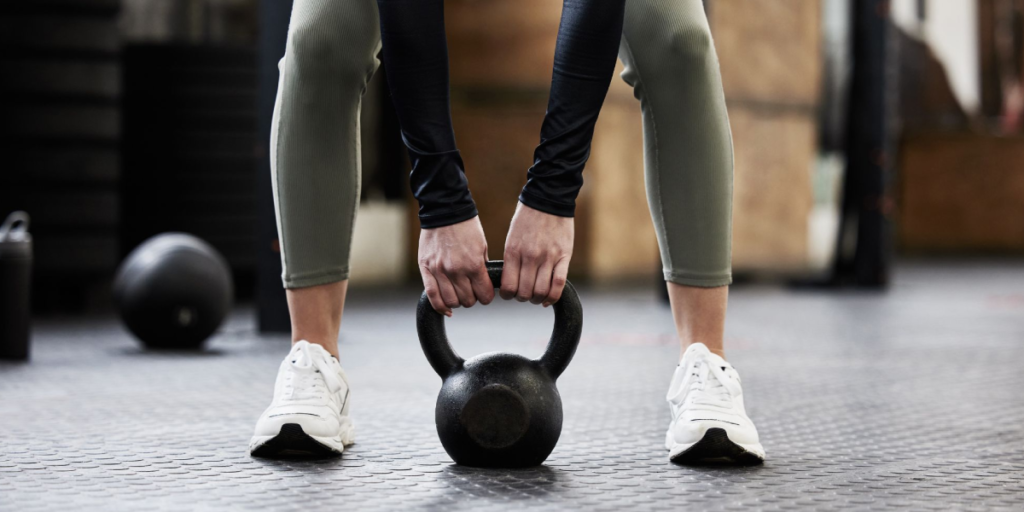
1. True Full-Body Synergy
In isolation training, individual muscles work separately. In a kettlebell workout, your body functions as an interconnected chain. For example, during a kettlebell swing, force transfers from your feet up through the hips, core, and shoulders, engaging hundreds of muscles simultaneously.
2. High Caloric Expenditure in Minimal Time
Because kettlebell exercises combine explosive ballistic movements with compound strength lifts, they demand significant energy output. Research shows that dynamic kettlebell routines burn substantial calories while enhancing aerobic capacity.
3. Reduced Joint Compression
Unlike fixed barbell paths, kettlebells move naturally with your shoulder and wrist joints. This natural floating pathway reduces unnecessary strain on sensitive tendons and joints, making it ideal for sustainable long-term fitness.
Featured Snippet Summary: Quick Guide to Kettlebell Exercises
Quick Definition
Kettlebell workout exercises are multi-joint free-weight resistance movements utilizing a cast-iron bell with an offset center of mass to build power, endurance, core stability, and functional movement.
Top 5 Best Kettlebell Exercises for Beginners
- Kettlebell Deadlift: Teaches the fundamental hip hinge pattern cleanly.
- Kettlebell Goblet Squat: Builds lower-body strength while reinforcing upright posture.
- Russian Kettlebell Swing: The ultimate movement for glute power and aerobic conditioning.
- Single-Arm Kettlebell Press: Builds shoulder stability and core anti-rotation strength.
- Kettlebell Farmer’s Carry: Develops elite grip strength, core endurance, and posture.
Step-by-Step Execution: The Best Kettlebell Exercises for Beginners
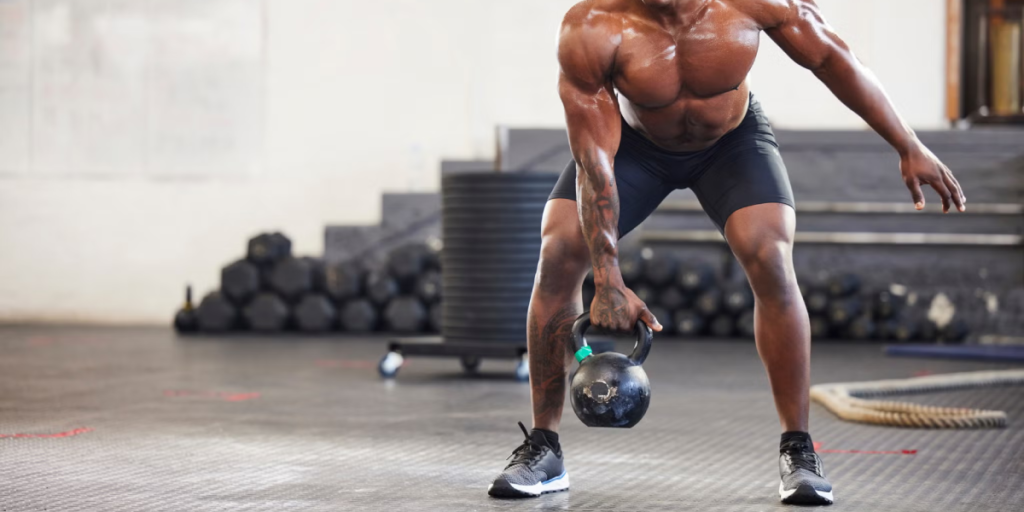
1. Kettlebell Deadlift
Primary Target: Glutes, Hamstrings, Erector Spinae, Core
Step-by-Step Form:
- Stand directly over the kettlebell with feet shoulder-width apart, bell aligned between your ankles.
- Hinge at your hips by pushing your buttocks backward while maintaining a flat back and long spine.
- Reach down and grasp the handle firmly with both hands in an overhand grip.
- Engage your lats by pulling your shoulders away from your ears.
- Drive down through your feet and push your hips forward to stand tall, squeezing your glutes at the top.
- Hinge back down under control, lowering the bell precisely between your feet.
2. Russian Kettlebell Swing
Primary Target: Posterior Chain, Glutes, Core, Cardiovascular System
Step-by-Step Form:
- Position the kettlebell on the floor roughly one foot in front of you.
- Hinge at your hips, bend your knees slightly, and grip the handle with both hands, tilting the bell toward you.
- Hike the kettlebell back between your thighs like a football snap.
- Snap your hips forward explosively, standing up tall. Allow the momentum—not your arms—to float the bell to chest height.
- Let the bell drop naturally back into the hinge position, catching the weight in your hips and immediately repeating the motion.
Pro Tip: Never pull the kettlebell up with your front shoulders. The swing is a horizontal hip pop, not a vertical front raise.
3. Kettlebell Goblet Squat
Primary Target: Quadriceps, Glutes, Core, Upper Back
Step-by-Step Form:
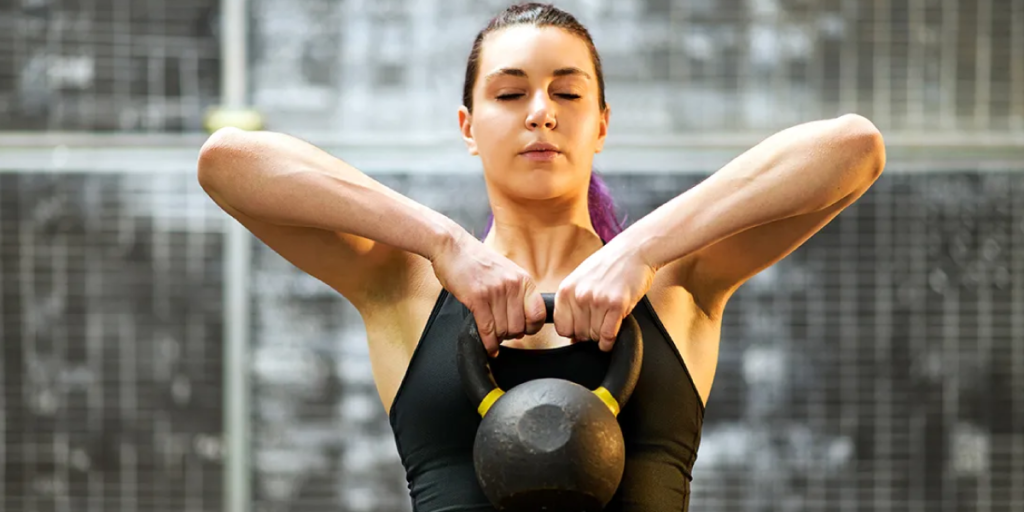
- Hold the kettlebell by the horns (the sides of the handle) close to your chest at sternum height.
- Set your feet slightly wider than shoulder-width, pointing toes outward 15 to 30 degrees.
- Inhale, brace your core, and sit down into a squat between your knees, keeping your elbows inside your knees.
- Drive through the middle of your feet to return to the top position, keeping your chest open and upright.
4. Single-Arm Kettlebell Overhead Press
Primary Target: Deltoids, Triceps, Upper Back, Anti-Rotational Core
Step-by-Step Form:
- Clean the kettlebell into the rack position: bell resting against the outside of your forearm, hand close to your chest, elbow tucked against your ribs.
- Brace your abs and squeeze your glutes tightly.
- Press the kettlebell overhead in a smooth arc, locking out your arm with your biceps positioned next to your ear.
- Lower the weight under control back to the tight rack position.
Common Kettlebell Mistakes (and How to Fix Them)
| Common Mistake | Why It Reduces Results | Expert Correction |
|---|---|---|
| Squatting the Kettlebell Swing | Bending knees too early turns a hip hinge into a slow squat, reducing posterior chain power. | Keep your shins relatively vertical. Delay the hip hinge until the bell is close to your pelvis. |
| Casting the Bell Away from the Body | Arc extends too far out, placing excessive torque on the lower back. | Keep the kettlebell close to your inner thighs during the backswing hike. |
| Flopping the Bell in Cleans/Snutches | Allowing the bell to slam against the back of the forearm causes bruising and joint discomfort. | Tightly rotate your fist around the handle rather than letting the bell flip over the wrist. |
| Hyperextending the Lower Back | Leaning back at the top of presses or swings strains lumbar vertebrae. | Finish every movement standing tall with ribs pulled down and glutes contracted. |
Complete Full Body Kettlebell Workout Programs
Beginner Routine: Foundational Movements
Goal: Form mastery, hip hinge development, and structural endurance.
Frequency: 2–3 days per week (with at least 24 hours of rest between sessions).
Perform 3 total rounds with 60–90 seconds rest between exercises:
- Kettlebell Deadlift: 10–12 reps
- Kettlebell Goblet Squat: 8–10 reps
- Single-Arm Overhead Press: 6–8 reps per side
- Kettlebell Farmer’s Carry: 30 seconds walking pace
Full Body Kettlebell Workout Circuit
Goal: Metabolic conditioning, muscle building, and core stability.
Frequency: 3 days per week.
Perform as a circuit—40 seconds of work followed by 20 seconds of rest per exercise. Complete 3 to 4 full sets:
- Two-Handed Russian Kettlebell Swing
- Goblet Squat to Press (Thruster)
- Single-Arm Kettlebell Row (Alternating sides each round)
- Kettlebell Romanian Deadlift
- Plank with Kettlebell Drag-Through
Expert Best Practices for Sustainable Progress
- Start Light to Master Technical Form: Kettlebell training relies on proper leverage. Master movement mechanics before adding heavy weight.
- Focus on the “Rack Position”: A solid rack position (wrist neutral, bell tucked against forearm, elbow resting near ribs) protects your shoulders and serves as the foundation for presses, cleans, and squats.
- Integrate Recovery: Dynamic kettlebell exercises work both muscles and central nervous system pathways. Allow adequate rest between workouts for optimal recovery.
- Work with Qualified Coaches: Proper coaching ensures correct form and customized progressions. At Back Bay Fit in Boston, our personal trainers assess your movement mechanics and create tailored kettlebell programs to fit your body and goals.
Frequently Asked Questions (FAQs)
What are the best kettlebell exercises for beginners?
The best kettlebell exercises for beginners include the kettlebell deadlift, goblet squat, Russian kettlebell swing, single-arm overhead press, and farmer’s carry. These foundational movements teach proper hip hinge mechanics, core stability, and upper-body pressing without risking form breakdowns.
Can you get a full-body workout with a kettlebell?
Yes, absolutely. Because kettlebell movements involve compound, multi-joint patterns, a single kettlebell can effectively recruit the glutes, hamstrings, quads, core, lats, shoulders, and arms in a single workout session.
How many kettlebell exercises should I do in a workout?
For a balanced and effective session, incorporate 4 to 6 distinct kettlebell exercises per workout. Focusing on key movement categories—a hinge, a squat, a push, a pull, and a core or carry exercise—ensures complete functional coverage without overtaxing your body.
How often should I do kettlebell workouts?
Most individuals achieve optimal results by performing kettlebell workouts 2 to 4 times per week. This schedule provides sufficient stimulus for strength gains and cardiovascular fitness while leaving enough time for recovery and muscle repair.
What muscles do kettlebell exercises work?
Kettlebell exercises target nearly every major muscle group in the body. Ballistic movements like swings heavily recruit the posterior chain (glutes, hamstrings, lower back, and lats), while squats and presses engage the quadriceps, core, shoulders, triceps, and upper back.
Conclusion & Sustainable Next Steps
Incorporating kettlebell workout exercises into your routine provides a versatile, efficient way to build lasting strength, improve mobility, and boost cardiovascular fitness. By focusing on core movement patterns such as the hip hinge, goblet squat, and overhead press you establish a solid foundation for sustainable physical health.
Remember that long-term progress comes from consistent practice, proper technique, and gradual progression rather than extreme exertion.
Ready to refine your movement and build strength safely with expert support? Visit Back Bay Fit in Boston’s Back Bay neighborhood to work with our experienced personal trainers, receive a customized movement assessment, and build a workout plan designed around your long-term health and goals. Schedule your personal consultation at Back Bay Fit today!
