
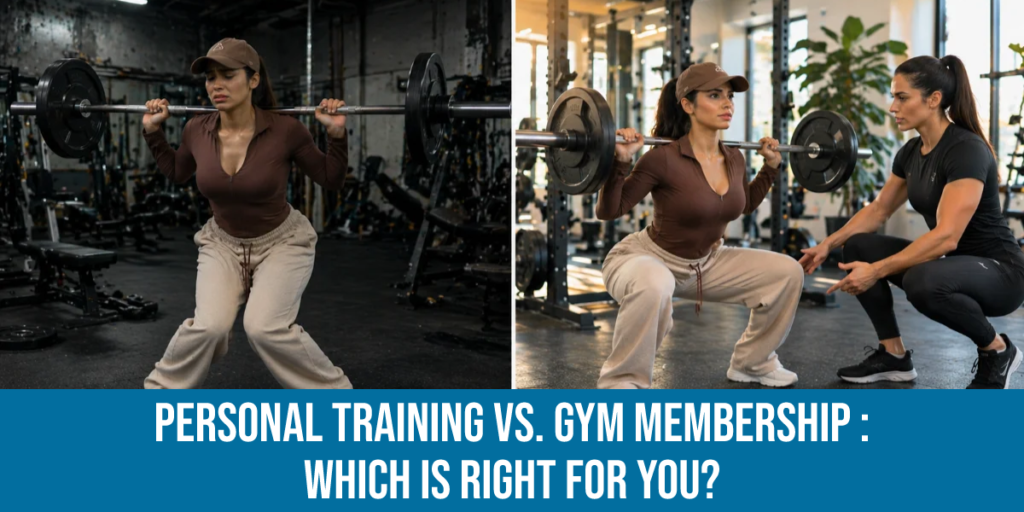
Stepping into the world of fitness is one of the best decisions you can make for your long-term health, longevity, and vitality. However, the moment you decide to take control of your physique, you are immediately confronted with a critical choice: should you purchase a standard commercial gym membership or invest in dedicated personal training?
Evaluating a gym membership vs personal training is not merely a question of budget—it is a fundamental decision about how you approach accountability, instruction, safety, and physical progression. While open gym access offers autonomy and lower monthly dues, working with a personal trainer provides tailor-made periodization, form mastery, and rapid physical results.
At Back Bay Fit, a private, luxury fitness and personal training studio located in the heart of Boston’s Back Bay neighborhood, we empower individuals to cut through the confusion. In this comprehensive guide, we unpack the key differences, hidden costs, benefits, and real-world outcomes of both options to help you choose the exact path that fits your goals and lifestyle.
What Is Gym Membership vs Personal Training?

Understanding the core definition of each fitness model clarifies why their outcomes differ so dramatically.
Defining a Gym Membership
A traditional gym membership grants you facility access to equipment—such as free weights, cardio machines, cable towers, and sometimes group fitness classes. In an open gym setup, you operate as your own fitness director. You design your workout splits, choose your exercise selections, set your rest intervals, and regulate your own form and motivation.
Defining Personal Training
Personal training is a high-touch, customized coaching service where a certified strength and conditioning specialist designs, supervises, and adapts every element of your exercise regimen. Rather than paying for access to room space and iron, you invest in expert instruction, biomechanical monitoring, nutritional guidance, and structured accountability engineered for your specific body architecture.
Why the Choice Matters: The Hidden Cost of Wasted Time
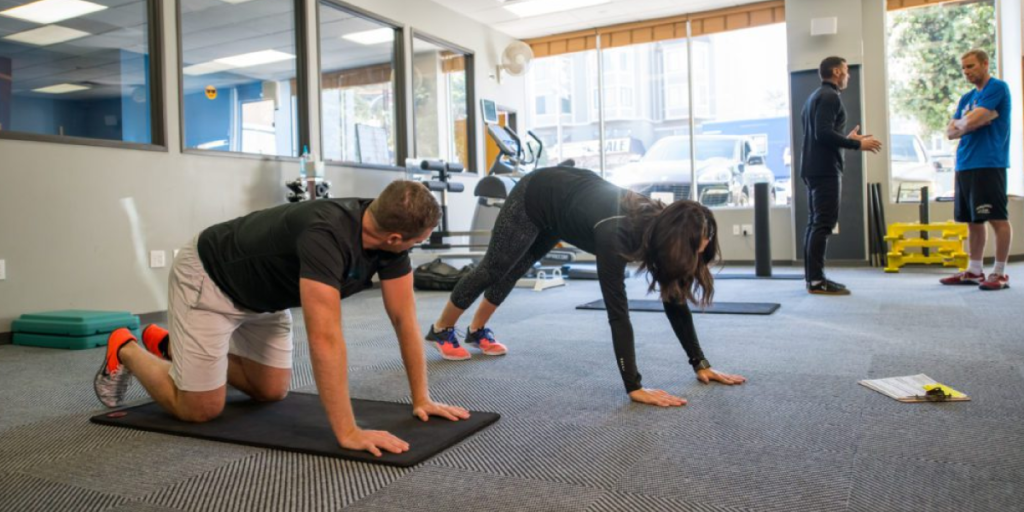
Many fitness enthusiasts start by purchasing a low-cost gym membership under the assumption that having access to machines is all it takes to get in shape. However, industry research highlights a stark reality: up to 67% of gym memberships go completely unused.
Without a clear workout template or external accountability, gym-goers often experience:
- The “Random Exercise” Trap: Performing unstructured workouts that fail to create progressive overload.
- Plateaus and Frustration: Spending months exercising without seeing noticeable muscle growth or fat loss.
- Injury Risks: Executing complex compound lifts (like deadlifts and overhead presses) with sub-optimal mechanics.
- Financial Leakage: Paying $50 to $150 per month for a gym membership that sits idle while health goals fall by the wayside.
Choosing between a personal trainer vs gym membership comes down to whether you value low-cost independence or high-efficiency expert execution.
Biomechanical & Operational Comparison
| Feature / Metric | Traditional Gym Membership | 1-on-1 Personal Training |
|---|---|---|
| Instruction & Form Correction | None (Self-guided) | Continuous, real-time biomechanical feedback |
| Program Customization | Generic or self-created templates | 100% bespoke periodization for your body & history |
| Accountability Level | Low (No one notices if you miss a day) | High (Scheduled sessions with dedicated coach) |
| Injury Prevention | Moderate to Low risk of self-injury | Maximum (Expert load management & technique) |
| Environment | Often crowded; waiting for equipment | Private, luxury studio environment (Back Bay Fit) |
| Cost Model | Low monthly subscription ($30–$200/mo) | Premium per-session or monthly package investment |
| Time to Results | Slower (Trial and error learning curve) | Accelerated (Direct, goal-focused efficiency) |
Key Benefits of a Gym Membership
While personal training offers elite results, traditional gym access holds distinct benefits for specific exercisers:
- Budget Accessibility: Standard gym dues are affordable, allowing individuals to exercise on a modest budget.
- Scheduling Flexibility: You can walk into an open gym at 5:00 AM or 10:00 PM without needing to coordinate with a trainer’s calendar.
- Autonomy and Independence: Experienced lifters who already understand programming, anatomy, and recovery often enjoy executing their own workouts undisturbed.
- Variety of Commercial Amenities: Large commercial facilities may feature saunas, lap pools, and expansive cardio decks.
Key Benefits of Personal Training
For individuals seeking guaranteed outcomes, structural guidance, and an elevated experience, working with a personal trainer provides unmatched value:
- Customized Periodization & Science-Backed Programming: Personal trainers do not use cookie-cutter routines. At Back Bay Fit, programs are tailored to your mobility assessment, injury history, and body composition targets.
- Absolute Accountability & Consistency: Knowing a coach is waiting for you at a private studio eliminates the friction of skipping workouts after a demanding workday.
- Flawless Technical Execution: A personal trainer acts as a second set of eyes, correcting knee tracking, spinal alignment, and shoulder positioning on every single rep to maximize muscle recruitment and prevent joint damage.
- Adaptive Workouts for Busy Professionals: If you arrive at a training session fatigued or dealing with work stress, a personal trainer instantly modifies the load, volume, or exercise selection to maintain progress without causing burnout.
- Comprehensive Lifestyle & Wellness Coaching: Elite personal training extends beyond the gym floor to encompass nutritional habits, sleep optimization, and stress management.
Personal Trainer vs Gym Comparison
Quick Definition
A gym membership buys access to fitness equipment for self-directed workouts, whereas personal training buys expert 1-on-1 coaching, bespoke programming, form correction, and dedicated accountability.
Quick Decision Framework: Which Is Right for You?
- Choose a Gym Membership if: You are an experienced lifter with strong self-discipline, know how to program progressive overload, and prefer working out independently on a lower budget.
- Choose Personal Training if: You are a beginner wanting to learn correct technique, someone returning from injury, a busy professional needing built-in accountability, or anyone seeking maximum physical results in minimal time.
How Much Does Personal Training Cost vs. a Gym Membership?

When evaluating how much does personal training cost compared to a gym membership, it is essential to analyze the true return on investment (ROI).
Financial Breakdown
- Commercial Gym Membership: Typically ranges from $30 to $200 per month. While cheap on paper, the cost per actual workout completed can be extremely high if you only attend twice a month.
- Personal Training Investment: In major metropolitan areas like Boston, personal training ranges from $90 to $180+ per session, depending on the trainer’s qualifications and facility exclusivity.
Evaluating Value vs. Cost
Think of a gym membership as buying raw construction materials, while personal training is hiring a master architect and contractor. If you don’t know how to build a house, owning the tools won’t yield a sturdy home. Investing in personal training saves years of wasted effort, reduces medical expenses from improper lifting injuries, and accelerates physical transformation.
Common Mistakes When Choosing Fitness Options
| Common Mistake | Why It Harms Progress | Expert Solution |
|---|---|---|
| Assuming More Equipment Equals Better Results | Fancy machines mean nothing without a structured, progressive program. | Focus on foundational free-weight mechanics under expert supervision. |
| Buying a Gym Membership to “Get in Shape First” | Beginners often develop poor movement patterns or get intimidated and quit. | Start with personal training to master form before venturing into open gyms. |
| Choosing Trainers Based Solely on Price | Inexperienced trainers may offer generic routines that lead to plateaus or injury. | Seek certified, experienced strength coaches at dedicated studios like Back Bay Fit. |
| Neglecting the Environment | Overcrowded gyms cause long wait times, breaking up rest intervals and lowering intensity. | Train in a private, luxury studio space focused on undivided attention. |
Step-by-Step Decision Matrix: How to Choose What Is Right for You

Follow this 4-step framework to determine whether a gym membership or personal training aligns with your goals:
Step 1: Assess Your Current Exercise Knowledge
Be honest about your technical capability. Do you know how to execute a barbell squat, Romanian deadlift, or dumbbell row with pristine form? If not, personal training is the safest, most effective starting point.
Step 2: Evaluate Your Self-Discipline and Consistency
Have you consistently stuck to a self-guided workout routine 3–4 days a week for the past 6 months? If you struggle with consistency, the built-in accountability of a dedicated personal trainer is invaluable.
Step 3: Define Your Timeline and Fitness Goals
Are you preparing for a specific athletic milestone, rehabilitating an injury, or seeking a major body recomposition? High-stakes or time-sensitive goals benefit immensely from tailored coaching.
Step 4: Test the Environment
Visit the facility. Experiencing a private, luxury personal training studio like Back Bay Fit highlights the contrast between undivided, professional attention and navigating a crowded public gym floor.
Frequently Asked Questions (FAQs)
Is a gym membership better than personal training?
Neither is universally “better”—it depends on your goals and experience. A gym membership is better for self-motivated exercisers who already know proper form and desire budget-friendly flexibility. Personal training is far superior for individuals who want guaranteed results, personalized programming, form mastery, and absolute accountability.
What is the difference between a gym membership and personal training?
A gym membership provides unguided access to workout facilities and equipment where you design your own routines. Personal training involves working 1-on-1 with a professional coach who creates your customized program, directs your sessions, corrects your form, and tracks your progress.
Is personal training worth the extra cost?
Yes, personal training is worth the extra cost for anyone looking to eliminate guesswork, avoid injury, build proper movement habits, and achieve maximum results efficiently. It converts fitness from a frustrating trial-and-error process into an organized, scientific routine.
Can I get better results with a personal trainer?
Yes, research and real-world results consistently show that individuals working with a qualified personal trainer achieve greater strength gains, body composition improvements, and workout adherence compared to those training on their own.
Should beginners choose personal training or a gym membership?
Beginners should almost always start with personal training. Learning proper movement mechanics, load management, and posture from day one builds a safe foundation, prevents dangerous lifting habits, and boosts confidence.
Conclusion & Actionable Takeaways
When weighing a gym membership vs personal training, the right choice comes down to your personal experience, need for accountability, and desired pace of progress. While a standard gym membership offers independence, personal training transforms your fitness journey by providing expert guidance, structural safety, and sustainable lifestyle habits.
At Back Bay Fit, we believe your health deserves more than guesswork in a crowded room.
Ready to experience the power of private, customized coaching in Boston’s Back Bay? Visit Back Bay Fit to work with our elite personal trainers in a private, luxury studio environment built around your success. Connect with Back Bay Fit today to schedule your comprehensive intro assessment!
